Is a Cost Segregation Study Worth It on a Small Torrance or Gardena Building?
Published August 10, 2026
A cost segregation study reclassifies parts of a building into 5, 7, and 15 year property instead of 27.5 or 39 year property, which front loads depreciation. The IRS accepts the method when it rests on an engineering based analysis, not a percentage guess, and the payoff scales with building size and your tax bracket.
The short answer
A cost segregation study reclassifies parts of a building, such as flooring, certain electrical and plumbing, parking lot paving, and site improvements, out of 27.5 year residential or 39 year nonresidential depreciation and into 5, 7, or 15 year property. That front loads depreciation deductions. The IRS accepts it when the study is engineering based and well documented (Publication 5653). On a small building the fee for that documentation can eat a large share of the benefit, so size and your tax situation matter more than the technique itself.
Last verified: August 10, 2026
What the study actually does
A standard building depreciates on a straight line: 27.5 years for residential rental property, 39 years for nonresidential real property, under the Modified Accelerated Cost Recovery System described in IRS Publication 946. A cost segregation study is an engineering analysis of the building that identifies components which, under existing law and case history, belong in shorter MACRS classes instead, typically 5 year, 7 year, or 15 year property.
Common reclassified items in a small rental or mixed use building include certain electrical and plumbing that serves specific equipment, carpet and other removable flooring, decorative millwork, and land improvements like paving, fencing, and landscaping. The building shell, structural elements, and the roof generally stay on the 27.5 or 39 year schedule.
The IRS's own cost segregation guide, Publication 5653, describes this as a legitimate method when it is built on objective engineering analysis, not a percentage assumption applied across the board. The guide is explicit that studies lacking documentation, or that use overly broad allocations to shorter recovery classes, draw scrutiny. A defensible study documents each reclassified component, ties it to cost records or a qualified appraisal, and is prepared by someone with the engineering or cost estimating background to support it, whether an engineer, architect, or an experienced cost segregation specialist.
Why 2026 changes the math
Congress restored 100 percent bonus depreciation under the One Big Beautiful Bill Act (P.L. 119-21) for qualified property acquired and placed in service after January 19, 2025, per IRS Publication 946. Property with a recovery period of 20 years or less, the exact classes a cost segregation study creates, qualifies for that 100 percent first year write off. In practical terms, a study performed on a 2026 purchase does not just move depreciation earlier across several years. It can let you deduct the entire reclassified value of those components in the year you place the property in service, subject to the usual passive activity and basis limitations that apply to your specific return.
That is a meaningfully different result than the years when bonus depreciation was phased down, and it is the main reason cost segregation is getting renewed attention on smaller deals that would not have penciled out under the older, lower bonus percentages.
Where the size problem bites
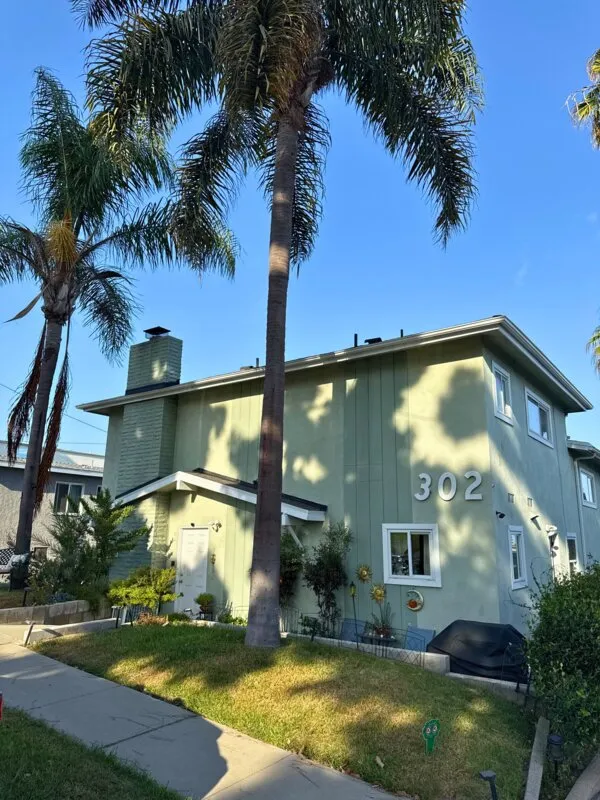
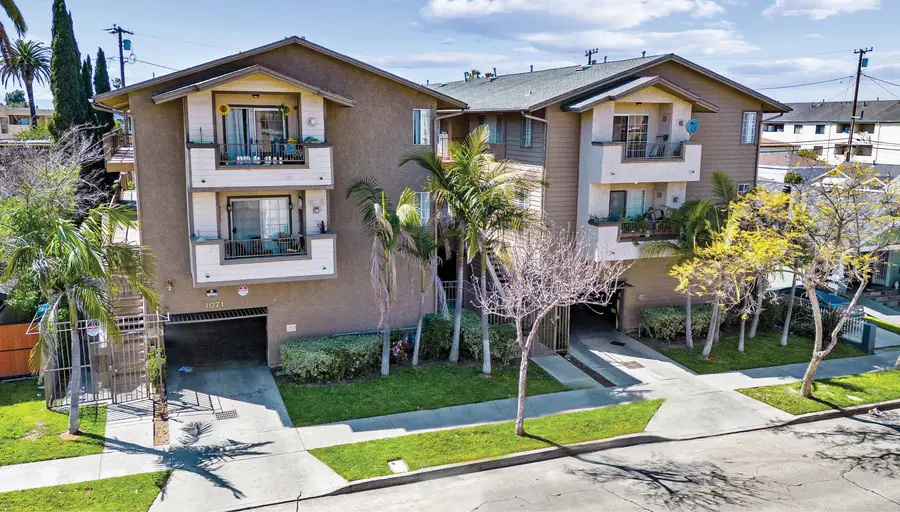
A cost segregation study is a real analysis, not a checkbox. On a large apartment complex or commercial building, the fee for an engineering based study is a rounding error against the tax savings. On a small Torrance duplex or a single Gardena fourplex, the same fee can consume a large share, sometimes most, of what the reclassification is worth.
There is no IRS threshold that says a study is or is not worth it below a certain building value. That is a math problem specific to your property, not a rule. The inputs that decide it are purchase price and age, how much of the cost is in reclassifiable components versus structure, your marginal tax rate, whether you materially participate for passive loss purposes, and the study provider's fee. Ask any preparer for their fee before engaging, and ask for a written estimate of reclassified value, not just a sales pitch.
Illustrative acceleration ranges, not a promise
Cost segregation providers commonly report that studies on residential rental property reclassify somewhere in the range of 15 to 35 percent of a building's depreciable basis into 5, 7, or 15 year classes, with the exact figure driven by property type, age, and finish level. That range comes from industry practice, not from the IRS guide, and the IRS guide makes no promise about how much of any specific building will reclassify. Treat any number a preparer quotes you before inspecting the property as a marketing estimate, not a result.
| Factor | Why it moves the answer |
|---|---|
| Building age and finish level | Older, more basic buildings often have less reclassifiable component value |
| Purchase price | Larger basis means larger dollar value moved into short recovery classes |
| Marginal tax rate | Higher bracket means each dollar of accelerated deduction is worth more now |
| Passive activity status | Losses may be limited or suspended if you don't materially participate |
| Study fee | Compare directly against the study's own written estimate of reclassified value |
The recapture trade off
Accelerated depreciation is a deferral, not a permanent tax reduction. When you sell, depreciation on the shorter lived components is generally recaptured, and unrecaptured section 1250 gain applies to the real property portion. A study changes the timing of your deduction and can change its character on sale. Whether that trade favors you depends on your expected holding period, which is a conversation for your CPA, not something a study provider can answer.
FAQ
Does the IRS require a specific type of professional to perform the study?
Publication 5653 describes the IRS's expectation as an engineering based analysis with documented support, and names engineers, architects, and experienced cost segregation professionals as appropriate preparers. The IRS does not certify or approve individual firms.
Can I do a cost segregation study myself using a percentage rule of thumb?
The IRS guide specifically flags studies that use broad percentage allocations instead of component-level engineering analysis as a risk factor for audit challenge. A defensible study documents individual components, not an assumed split.
Does cost segregation work on a property I already own?
Generally yes, through a change in accounting method that catches up prior depreciation in the current year, rather than amending past returns. Confirm the mechanics and any required filing with your CPA.
Do land improvements like a parking lot or fence qualify?
Land improvements such as paving, fencing, and landscaping are commonly reclassified into 15 year property in a cost segregation study, separate from the building's structural shell.
Is a cost segregation study only for large commercial buildings?
No, but the fee-to-benefit math works differently on small buildings, since the study's fixed cost is a larger share of a smaller total benefit. Run the numbers on your specific property and fee quote before committing.
This is general information about how cost segregation studies work, not tax advice. Confirm whether a study makes sense for your specific Torrance or Gardena property, including the recapture and passive loss implications, with a CPA or tax attorney.
Topics: taxes, cost segregation, depreciation, Torrance, Gardena, South Bay, property management
Get a free management quote
Back to the Schofield Properties blog
Schofield Properties is a family run property management company at 323 Richmond St, El Segundo, CA 90245. We have managed the South Bay since 1972 and personally oversee about 186 doors today. Book a call to talk about your property.
_1771595201102_optimized-600-hSjj9YMN.webp)
_1771595201094_optimized-DUHa1RXZ.webp)