A New Eviction Defense for Delayed Social Security Payments: What a Hermosa Beach Landlord Needs to Know About AB 246
Published August 10, 2026
Starting January 1, 2026, a new Civil Code section gives tenants an affirmative defense to nonpayment eviction when a federal Social Security interruption caused the missed rent. It pauses the case for up to six months and sunsets in 2029.
The short answer
Starting January 1, 2026, California Civil Code section 1946.3, added by AB 246, lets a tenant raise a new affirmative defense in a nonpayment eviction if a delayed, reduced, or terminated Social Security payment, through no fault of the tenant, caused the missed rent. A court that accepts the evidence must stay the case for up to six months. The defense expires January 20, 2029.
Last verified: August 10, 2026
Why a Hermosa Beach landlord should read this now, not in January
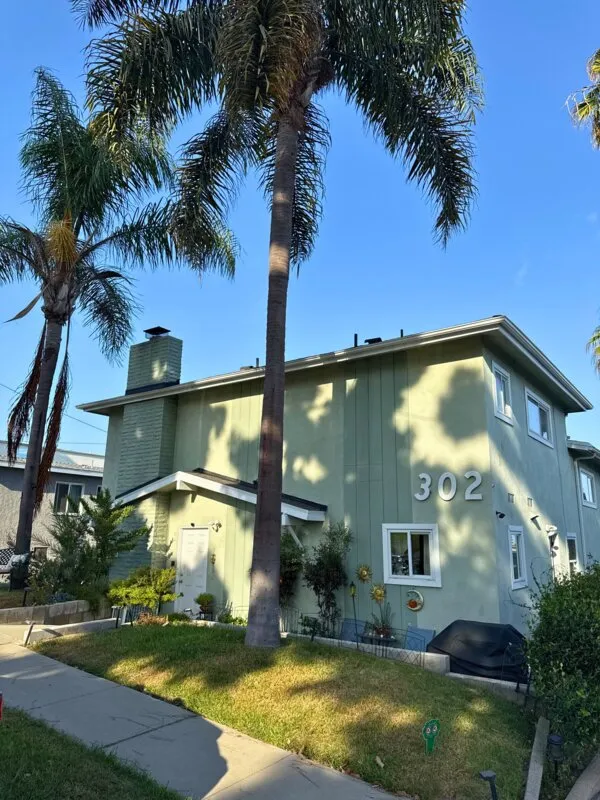
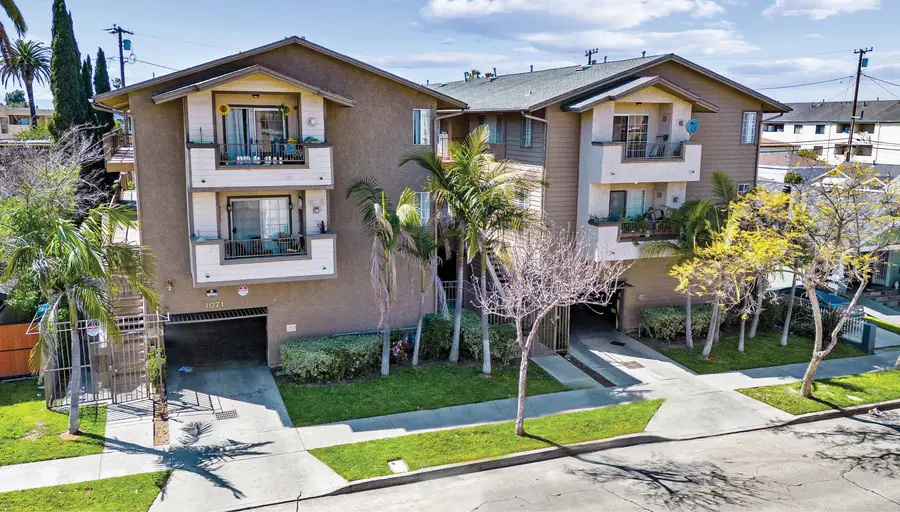
Hermosa Beach has an older renter population living in small multifamily buildings and converted units near the Strand, several of them on fixed Social Security income. A federal benefits interruption, whether from a shutdown, a processing backlog, or an administrative error, is not hypothetical for that tenant base. AB 246 was written for exactly that scenario, and it changes what a landlord can expect from a nonpayment unlawful detainer filed against a tenant who otherwise has a clean rent history.
This is not a rent forgiveness law. It is a timing law. The rent is still owed. What changes is how fast you can get a judgment when the tenant's story is that the federal government, not the tenant, broke the payment chain.
What Civil Code section 1946.3 actually does
It creates a new affirmative defense, and only for nonpayment cases. The statute is explicit that the defense does not apply to any unlawful detainer action other than one based on nonpayment of rent. A three day notice to cure a lease violation, a no-fault termination, or an owner move-in case is unaffected.
The defense is keyed to "Social Security hardship." The statute defines that term as a loss of income due to an interruption in the payment of Social Security benefits caused by the action or inaction of the federal government. The law covers Social Security specifically. It does not extend to other public benefits, private disability income, or unemployment insurance.
The tenant carries the burden. The tenant must give the court evidence, sufficient to satisfy the court, that the household's Social Security payments were terminated, delayed, or reduced through no fault of the tenant, and that this hardship is what prevented the rent payment. A tenant who simply asserts hardship without documentation has not met the standard on the face of the statute.
A successful showing stays the case. If the court accepts the evidence, it must stay the unlawful detainer action until the earlier of two points: 14 days after the tenant's Social Security payments are restored, or six months after the stay is issued. Whichever comes first ends the stay.
The tenant still has to pay. Within 14 days of benefits being restored, the tenant must pay all back rent in full or reach a payment plan. If the tenant does that, the case is dismissed or a judgment is set aside. If the tenant does not, the landlord can move the case forward again.
The Judicial Council owes the state a form. The statute directs the Judicial Council to develop implementing forms by January 1, 2027. Until that form exists, expect inconsistent paperwork and inconsistent judicial handling of what counts as sufficient evidence, since the statute itself does not spell out a document list.
It sunsets. Civil Code section 1946.3 is scheduled to remain in effect only until January 20, 2029, and is repealed as of that date unless the Legislature acts again.
Quick reference
| Element | Detail | Citation |
|---|---|---|
| New code section | Civil Code section 1946.3, added and repealed | AB 246, Chapter 337, Statutes of 2025 |
| Effective date | January 1, 2026 | Non-urgency statute, standard schedule |
| Applies to | Nonpayment of rent unlawful detainer actions only | Civil Code section 1946.3 |
| Covered hardship | Social Security payment interruption only | Civil Code section 1946.3 |
| Burden | Tenant must provide court-satisfactory evidence | Civil Code section 1946.3 |
| Maximum stay | Earlier of 14 days after benefit restoration, or 6 months | Civil Code section 1946.3 |
| Tenant's post-restoration deadline | 14 days to pay back rent or set a payment plan | Civil Code section 1946.3 |
| Judicial Council form deadline | January 1, 2027 | Civil Code section 1946.3 |
| Sunset | January 20, 2029 | Civil Code section 1946.3 |
How this plays out in an actual Hermosa Beach filing
Picture a tenant in a small Hermosa Beach building who has paid on time for years and misses rent for the first time. If the eviction is filed as a straightforward nonpayment case and the tenant appears and raises Social Security hardship with supporting documentation, such as a benefits award letter or an agency notice showing a payment interruption, the practical effect is a pause, not a dismissal. Budget for a case that could run up to six months longer than it would have before January 1, 2026, if the tenant's benefits stay interrupted that long.
The rent obligation does not disappear. It accrues, and the statute gives you a defined trigger, 14 days after benefits restart, for the tenant to cure it. If the tenant misses that window, you are back in the same unlawful detainer posture you started in, without having had to refile.
A practical rollout for a small portfolio
- Update your nonpayment eviction workflow to expect this defense as a possibility for any tenant reasonably likely to be on Social Security, and do not assume it applies to every senior tenant automatically. The defense requires proof, not a mere assertion.
- When a tenant raises this defense, ask for the documentation the statute contemplates, an interruption, delay, or reduction notice from the Social Security Administration, rather than accepting a verbal claim.
- Calendar the two triggers, 14 days after benefit restoration and the six month outer limit, the moment a stay is granted, so you know exactly when you can act again.
- Watch for the Judicial Council's implementing forms, due by January 1, 2027, since they will likely standardize what your local court accepts as sufficient evidence.
FAQ
Does AB 246 forgive the unpaid rent?
No. It only pauses the eviction case. The rent remains owed, and the tenant must pay it in full or arrange a payment plan within 14 days of benefits being restored.
Can a tenant use this defense against a no-fault eviction, like an owner move-in?
No. Civil Code section 1946.3 states the defense applies only to unlawful detainer actions based on nonpayment of rent.
What counts as a qualifying hardship?
Only an interruption, delay, or reduction in Social Security benefit payments caused by the action or inaction of the federal government. Other public benefits are not covered by this statute.
How long can the case be paused?
Until the earlier of 14 days after the tenant's Social Security payments resume, or six months from when the court issues the stay.
When does this law go away?
Civil Code section 1946.3 is scheduled to be repealed as of January 20, 2029, unless the Legislature extends or replaces it before then.
Is there a standard form for tenants to use yet?
Not as of this writing. The statute requires the Judicial Council to create implementing forms by January 1, 2027.
This is general information, not legal advice. Confirm current statutory text at leginfo.legislature.ca.gov and consult a licensed unlawful detainer attorney before responding to any eviction defense raised under this section.
Topics: compliance, landlord law, evictions, South Bay, Hermosa Beach
Get a free management quote
Back to the Schofield Properties blog
Schofield Properties is a family run property management company at 323 Richmond St, El Segundo, CA 90245. We have managed the South Bay since 1972 and personally oversee about 186 doors today. Book a call to talk about your property.
_1771595201102_optimized-600-hSjj9YMN.webp)
_1771595201094_optimized-DUHa1RXZ.webp)