Why Do Two Identical Manhattan Beach Rentals Have Different Property Tax Bills?
Published July 15, 2026
Usually not Mello-Roos. It is Prop 13's purchase price lock plus local bond measures and assessment districts.
Almost always, the answer is Proposition 13, not Mello-Roos. Manhattan Beach is a fully built out city, and unlike newer master planned communities, it generally does not carry Community Facilities District special taxes. What actually splits two identical rentals apart is that California assesses property based on purchase price, locked in the year you bought, rising a maximum of 2 percent a year. Add in voter approved local bond measures and, in some neighborhoods, utility undergrounding debt, and two side by side houses can carry very different bills.
Proposition 13 is the main event
Under Proposition 13, the Los Angeles County Assessor sets a property's base year value at the fair market value on the date you acquire it or complete new construction. From there, the assessed value can rise by no more than 2 percent per year, or the rate of inflation if lower, regardless of how much the property actually appreciates. The general tax rate applied to that assessed value is capped at 1 percent under the state constitution.
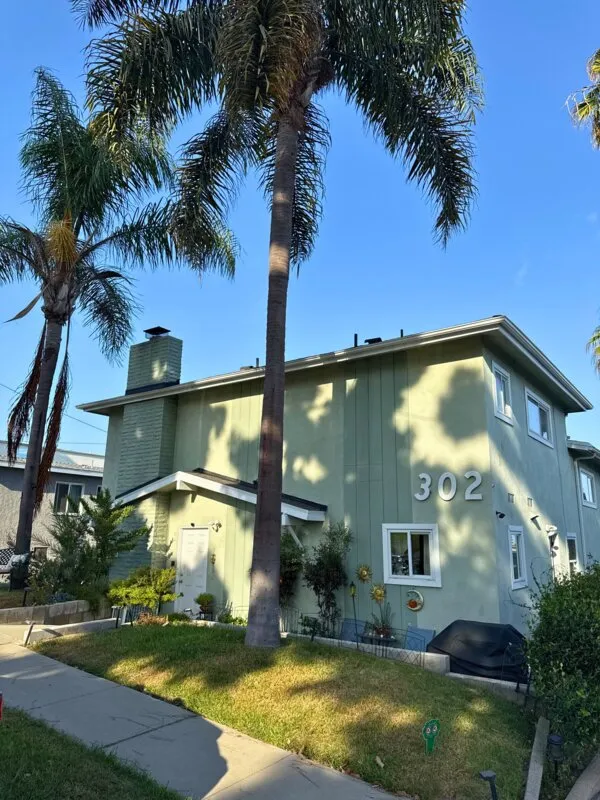
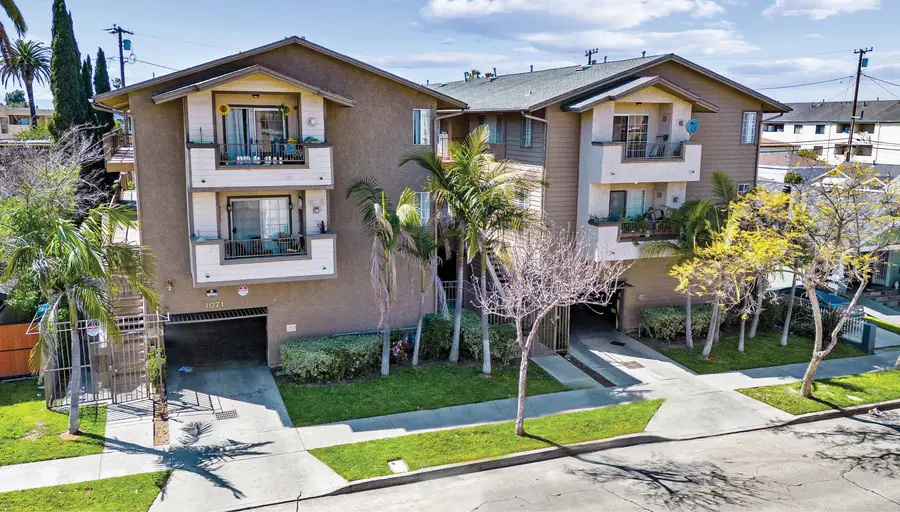
This means two nearly identical Manhattan Beach rentals, say a matching pair of Sand Section duplexes, can have wildly different tax bills purely based on when each was last sold. An owner who bought in 2005 might have a base year value a fraction of what a neighbor who bought in 2024 is paying tax on, even though the homes look the same and rent for similar amounts today. The bill does not reset to market value until the property changes hands again or undergoes qualifying new construction.
Voter approved bonds add another layer
On top of the base 1 percent, Manhattan Beach parcels carry several local bond measures approved by voters over the years, primarily supporting the Manhattan Beach Unified School District and related infrastructure. These typically show up as a rate per $100,000 of assessed value or, in some cases, a flat amount per parcel. For example, Measure RLS, approved by voters in November 2024, extended the existing school bond rate at an average of about $32 per $100,000 of assessed value to fund roughly $200 million in school repairs, and Measure C, a $114 million school bond, passed in 2016. Because these bond charges are also tied to assessed value in most cases, they compound the Proposition 13 effect: a property with a lower base year value pays less on the bond line items too, while a parcel level flat charge applies the same to every parcel regardless of value.
Direct assessments: the other reason bills differ
Separate from the ad valorem tax and the bond measures, the Los Angeles County Auditor Controller places direct assessments on tax bills for specific benefits tied to a property, things like utility undergrounding, sewer, or lighting district charges. These are billed by the responsible agency, not calculated from assessed value at all. Manhattan Beach has run utility undergrounding projects neighborhood by neighborhood for decades through its Underground Utility Assessment Districts, and a parcel inside a completed or in progress district can carry a debt service assessment that a nearly identical house two streets over, outside that district's boundary, does not have. This is the piece owners sometimes mistake for Mello-Roos. It functions similarly, a special charge layered onto the regular tax bill, but it is a locally formed utility assessment district, not a Community Facilities District under the Mello-Roos Act.
What this means for you
If you are comparing two rental purchases or wondering why your tax bill does not match a neighboring property's, start with the recorded sale date and purchase price of each parcel, since that drives the Proposition 13 base year value more than anything else. Then check the actual tax bill line items through the county's property tax portal for bond measures and direct assessments, since those vary by exact parcel and neighborhood, not just by house style or square footage. Do not assume Mello-Roos is the cause without confirming a Community Facilities District actually applies to that specific parcel; the Assessor's office can confirm.
If you would rather have someone pull this apart for you before you buy or budget a rental, that is the kind of due diligence we build into how we manage properties at Schofield.
This is general information, not legal or tax advice. Confirm with a licensed professional before you act.
Sources
- Los Angeles County Assessor, Proposition 13
- Los Angeles County Assessor, What is Proposition 13 Value?
- Los Angeles County Auditor-Controller, Direct Assessments
- Los Angeles County Auditor-Controller, What are Direct Assessments?
- City of Manhattan Beach, Underground Utility Assessment Districts (UUAD)
- City of Manhattan Beach, Assessment Deferment Program
- LAist, Measure RLS: Manhattan Beach Unified School District facilities bond
Last verified: July 2026.
Topics: taxes, property tax, Proposition 13, Manhattan Beach, assessed value
Get a free management quote
Back to the Schofield Properties blog
Schofield Properties is a family run property management company at 323 Richmond St, El Segundo, CA 90245. We have managed the South Bay since 1972 and personally oversee about 186 doors today. Book a call to talk about your property.
_1771595201102_optimized-600-hSjj9YMN.webp)
_1771595201094_optimized-DUHa1RXZ.webp)