Can a Redondo Beach Landlord Require Rent by App or Auto Debit Only? Civil Code Section 1947.3
Published August 10, 2026
No. Civil Code section 1947.3 requires a landlord to accept at least one rent payment method that is neither cash nor electronic funds transfer. A Redondo Beach landlord can offer an app or auto debit, but cannot make it the only option, with narrow exceptions for bounced checks and mutual agreement.
The short answer
No. Civil Code section 1947.3 requires a landlord to accept at least one form of rent payment that is neither cash nor electronic funds transfer, such as a personal check or money order. A Redondo Beach landlord can offer a payment app or auto debit as an option, and can even make it the default, but cannot make electronic payment the only method a tenant is allowed to use, absent a narrow exception.
Last verified: August 10, 2026
What the statute actually requires
The core rule, in subdivision (a), is that a landlord or a landlord's agent must allow a tenant to pay rent, and the security deposit, by at least one form of payment that is neither cash nor electronic funds transfer. Read that carefully: the statute is not anti-electronic-payment. A landlord can absolutely accept, prefer, or promote a rent payment app or auto debit. What the landlord cannot do is make that the exclusive option and refuse every other form of payment.
The statute defines "electronic funds transfer" in subdivision (d) as any transfer of funds initiated through an electronic terminal, telephone, computer, or magnetic tape, that instructs a financial institution to debit or credit an account. That definition is broad enough to cover most rent payment apps, ACH auto debit, and similar systems. A personal check, cashier's check, or money order falls outside that definition and satisfies the "at least one non-cash, non-EFT" requirement.
The exceptions, and what each one actually allows
The statute is not absolute. There are two situations where the requirement to offer a non-electronic method loosens.
Dishonored checks. If a tenant previously paid with a check that was dishonored, or on which the tenant stopped payment, the landlord may require cash-only payment for up to three months after that event. The landlord must give written notice of this change, with the dishonored instrument itself attached. Notice this exception moves toward cash-only, not toward electronic-only. It is not a path to requiring app or auto debit payment exclusively.
Mutual agreement. Subdivision (e) allows a tenant and landlord to mutually agree that rent may be paid in cash or by electronic funds transfer, so long as another form of payment remains available. This means even with an agreement in place, the statute still requires that a non-cash, non-EFT option stay on the table. A lease clause that says "tenant agrees to pay by auto debit only" does not satisfy this exception, because the statute requires another method to remain available regardless of what the parties agree to.
Other provisions in the same section worth knowing
No fee for paying by check. Subdivision (b) prohibits a landlord from charging a tenant a fee for paying rent by check. This provision was amended effective January 1, 2025, so confirm you are working from the current version if you are relying on older guidance.
Money orders and cashier's checks are not proof of payment by themselves. Subdivision (c) states that the issuance of a money order or cashier's check is direct evidence only that the instrument was issued, not that it was received or honored. That distinction matters if a payment dispute ever turns on whether rent was actually paid on time.
Third-party payments. A landlord may decline to accept rent from someone who is not the tenant unless that third party signs an acknowledgment stating they are not a tenant of the unit and that paying rent does not create a new tenancy for them.
Waiver is void. Subdivision (f) makes clear that any waiver of the rights in this section is contrary to public policy and void. A lease cannot contract around the requirement to offer a non-cash, non-EFT payment method.
Quick reference
| Question | Answer | Basis |
|---|---|---|
| Can a landlord require rent by app or auto debit only? | No | Civil Code 1947.3(a) |
| Can a landlord require cash only? | Generally no, except the dishonored check exception below | Civil Code 1947.3(a) |
| What counts as a compliant non-electronic method? | Personal check, cashier's check, money order, or similar | Civil Code 1947.3(a) |
| Can a landlord charge a fee to pay by check? | No | Civil Code 1947.3(b) |
| Can a landlord go cash-only after a bounced check? | Yes, up to three months, with written notice and the dishonored instrument attached | Civil Code 1947.3(a) |
| Can tenant and landlord agree to cash or EFT only? | Only if another payment method still remains available | Civil Code 1947.3(e) |
| Can a lease waive this section? | No, waiver is void as against public policy | Civil Code 1947.3(f) |
Why this comes up in Redondo Beach specifically
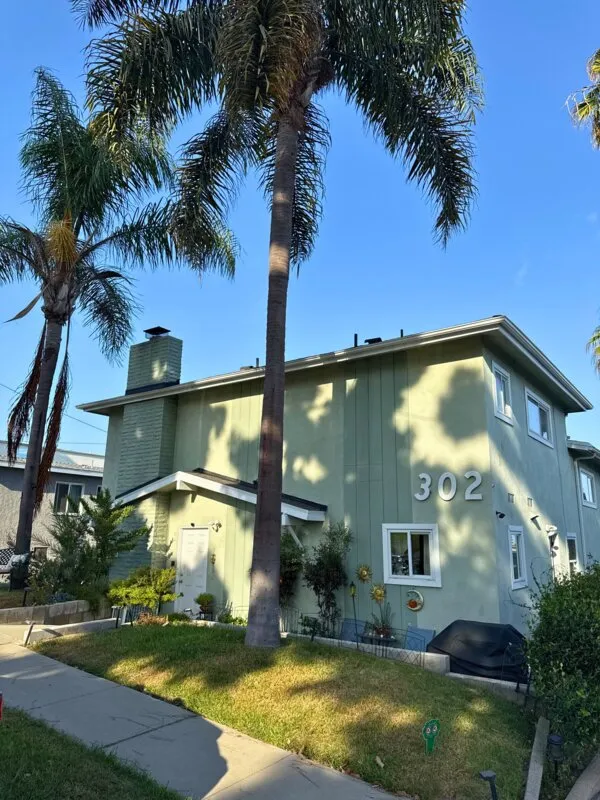
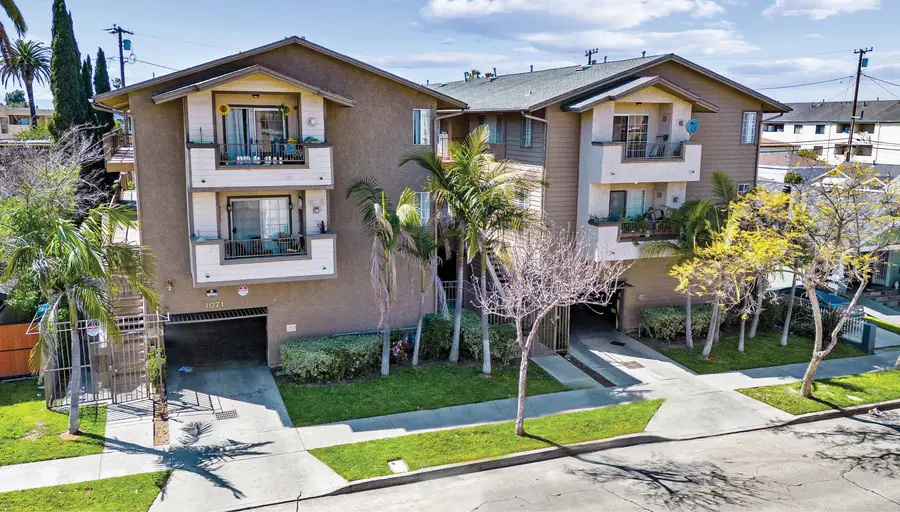
Redondo Beach has a dense mix of small multifamily buildings and single owner-managed units, exactly the property type where a landlord adopts a rent collection app to simplify bookkeeping and then, understandably, wants to stop accepting paper checks or cash altogether. The statute does not stop you from running your primary collection through an app. It stops you from refusing every tenant who wants or needs to pay a different way, including tenants without a bank account tied to the app, or tenants who prefer a check for their own recordkeeping.
A practical setup for a small portfolio
- Set your preferred method, whether that is an app, an ACH auto debit, or a portal, as the default you promote to new tenants.
- Keep at least one non-cash, non-electronic method genuinely available and communicated, such as accepting a mailed or dropped-off check or money order.
- If a tenant's check bounces, send written notice with the dishonored instrument attached before moving that tenant to cash-only, and track the three month clock on that restriction.
- Never charge a fee specifically for paying by check.
- If you want cash or app-only payment by agreement, keep in mind the statute still requires another method to remain available, so build your lease language around that limit rather than around exclusivity.
FAQ
Can a Redondo Beach landlord require tenants to use a specific rent payment app?
A landlord can require or default to an app for most tenants, but cannot make it the only accepted method. At least one non-cash, non-electronic funds transfer option must remain available under Civil Code section 1947.3.
What counts as an acceptable non-electronic payment method?
A personal check, cashier's check, or money order are the typical examples. Anything that is not cash and not an electronic funds transfer, as defined in the statute, satisfies the requirement.
Can a landlord go cash-only if a tenant's rent check bounces?
Yes, for up to three months, but the landlord must send written notice of the change and attach the dishonored check or instrument to that notice.
Can rent be cash or electronic-only if the lease says the tenant agreed to it?
Only partially. The statute allows a mutual agreement for cash or electronic funds transfer, but only if another payment method still remains available. An agreement cannot eliminate the non-cash, non-EFT option entirely.
Can a landlord charge a convenience fee for paying by check?
No. Civil Code section 1947.3, subdivision (b), prohibits a fee for paying rent by check.
Can a landlord refuse rent paid by someone other than the tenant, like a family member?
Yes, unless that third party signs an acknowledgment that they are not a tenant of the unit and that their payment does not create a tenancy for them.
This is general information, not legal advice. Confirm your rent collection policy and lease language against the current statute at leginfo.legislature.ca.gov and with a licensed attorney for your specific property.
Topics: compliance, landlord law, rent payment, South Bay
Get a free management quote
Back to the Schofield Properties blog
Schofield Properties is a family run property management company at 323 Richmond St, El Segundo, CA 90245. We have managed the South Bay since 1972 and personally oversee about 186 doors today. Book a call to talk about your property.
_1771595201102_optimized-600-hSjj9YMN.webp)
_1771595201094_optimized-DUHa1RXZ.webp)