What Happens to My Torrance Tenants if My Water Bill Falls Behind?
Published July 25, 2026
If your Torrance water bill goes delinquent, California law gives your tenants notice and the right to take over the account before the water gets shut off. Here is what that means for an owner.
If your water bill for a Torrance rental falls behind, the water cannot simply be shut off the way it might have been years ago. Under California's Water Shutoff Protection Act, your provider has to wait until the account is at least 60 days delinquent, give written notice, and let the people living in the home take over the account in their own name without paying your past due balance. For an owner, that changes what a late water bill actually costs you.
What the law actually requires
The Water Shutoff Protection Act, passed as SB 998 and codified at California Health and Safety Code sections 116900 and following, sets the rules that residential water providers across the state have to follow before they can discontinue service for nonpayment. Torrance rentals sit inside that framework whether the water comes from the City of Torrance, California Water Service, or one of the other suppliers that serve pockets of the South Bay.
The core protections are straightforward. A provider cannot discontinue residential water service until the account has been delinquent for at least 60 days. Before it does shut off, it has to give the account holder written notice at least seven business days ahead of the possible termination, and it has to make a good faith effort to reach you by phone and in writing. Providers that serve more than 200 connections also have to publish a written discontinuation policy, offer options like deferred or reduced payments and alternative payment schedules, and give customers a formal way to contest or appeal a bill.
Those rules exist to keep families from losing water over a billing dispute or a rough month. As an owner, the piece that matters most to you is what happens when the person paying the bill is not the person living in the home.
The part that affects owners: tenants can take over the account
Here is the mechanic that catches owners off guard. When the water account is in the owner's name and the bill goes delinquent, the provider does not just cut the water and leave the tenants in the dark. Before termination, the water supplier has to make every good faith effort to inform the occupants by written notice, generally at least 10 days before a shutoff at a property with multiple units, and at least seven days for a single family home.
That notice tells the occupants something important. Under the Act, the people living in the home have the right to become customers of the water provider, with the service billed to them, without having to pay any of the delinquent amount you racked up. They still have to meet the provider's normal requirements to open an account, but they do not inherit your past due balance to keep the water on.
For an owner this cuts two ways. On one hand, your tenants are protected, which is exactly what you want. Nobody wins when a family loses water because a bill got lost in a move or a bank change. On the other hand, your delinquent balance does not disappear when a tenant takes over the account going forward. The unpaid amount stays your responsibility, and now the account has moved out of your name, which can complicate how the water is handled at that property from then on. If you were relying on the water account as something you controlled, that control can shift.
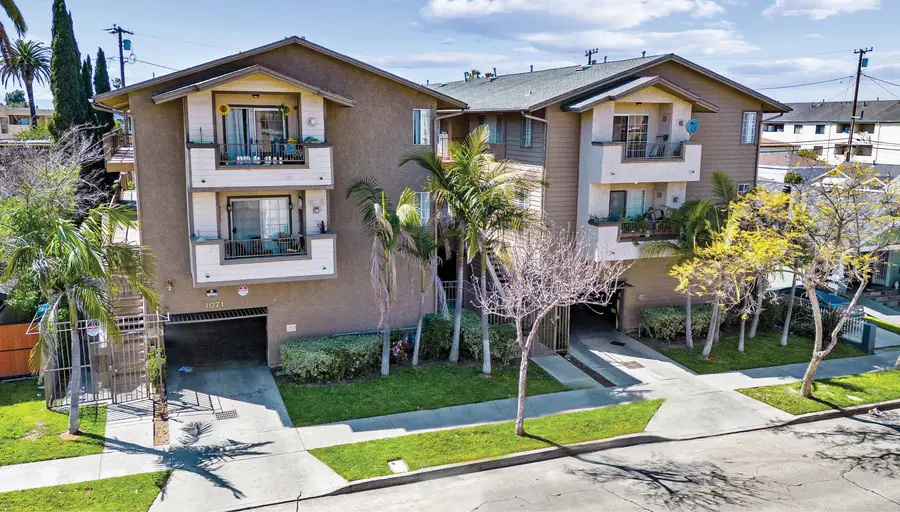
This matters most for the small apartment buildings and master metered properties that are common across Torrance and the wider South Bay. If one shared meter serves several units and that bill falls behind, you have multiple households whose water is on the line, and the provider's notice obligations run to all of them.
What this means for your building
The practical takeaway is not complicated, but it is worth being deliberate about. A late water bill on a rental is not just a fee problem, it is a compliance and relationship problem, and it can move the account out of your hands.
Keep the water account current the same way you treat the mortgage or the insurance. If you handle the water directly, put it on autopay or a calendar reminder so a 60 day delinquency clock never starts. If you have recently changed banks, taken over a building, or shifted who pays the bills in your portfolio, double check that the water provider has the right billing contact on file, because the notices the law requires only help you if they actually reach you.
If the bill has already slipped, call the provider before the shutoff notice goes out. The same law that protects your tenants requires the provider to offer payment arrangements, and for income qualified customers there are real caps on the downside. Reconnection fees for those customers cannot exceed $50 during normal operating hours or $150 after hours, and providers have to waive interest on delinquent bills once every 12 months. Those protections are aimed at residential customers rather than at owners as a business, so do not assume they all apply to you, but they are a reason to talk to the provider rather than let the account run dark.
And if a tenant tells you they got a shutoff or account notice from the water company, treat it as urgent. It usually means the bill is well past due, and it is the moment before the account can change hands. Handling it quickly protects your tenants, protects your standing with them, and keeps the account where you want it.
Common questions
Does this apply to water from the City of Torrance and California Water Service?
The Water Shutoff Protection Act applies to residential water providers across California, which covers the public and private suppliers that serve Torrance. The exact discontinuation policy, notice format, and any local nuances vary by provider, so check the specific policy your property's supplier publishes.
If my tenant takes over the water account, am I off the hook for the old bill?
No. Under the Act a tenant can become the customer going forward without paying your delinquent balance, but that past due amount remains your responsibility. The tenant assuming the account does not erase what you already owe.
How much warning do my tenants get before a shutoff?
The provider has to make a good faith effort to give occupants written notice, generally at least 10 days ahead at a property with multiple units and at least seven days for a single family home, on top of the seven business day notice to the account holder and the 60 day delinquency floor before service can be discontinued at all.
Last verified: July 25, 2026. Water provider policies and the details of the Water Shutoff Protection Act can change, and how they apply depends on your specific provider and property. This is general information for property owners, not legal advice. Confirm your obligations and any delinquent account with a licensed professional.
Kellie
Schofield Properties
323 Richmond Street, El Segundo, CA 90245
Topics: market, torrance, south-bay, compliance, utilities
See what your property could rent for
Back to the Schofield Properties blog
Schofield Properties is a family run property management company at 323 Richmond St, El Segundo, CA 90245. We have managed the South Bay since 1972 and personally oversee about 186 doors today. Book a call to talk about your property.
_1771595201102_optimized-600-hSjj9YMN.webp)
_1771595201094_optimized-DUHa1RXZ.webp)